How Paraproteinemia Affects the Anion Gap
Understanding the Anion Gap?
The anion gap is a calculated value used to aid in interpreting an electrolyte panel. It examines the main measured cationic ions and negatively charged ions in the blood, especially sodium, chloride, and bicarbonate. Because routine testing does not measure every ion directly, the anion gap offers clinicians a helpful snapshot of overall electrolyte imbalance and acid-base status.
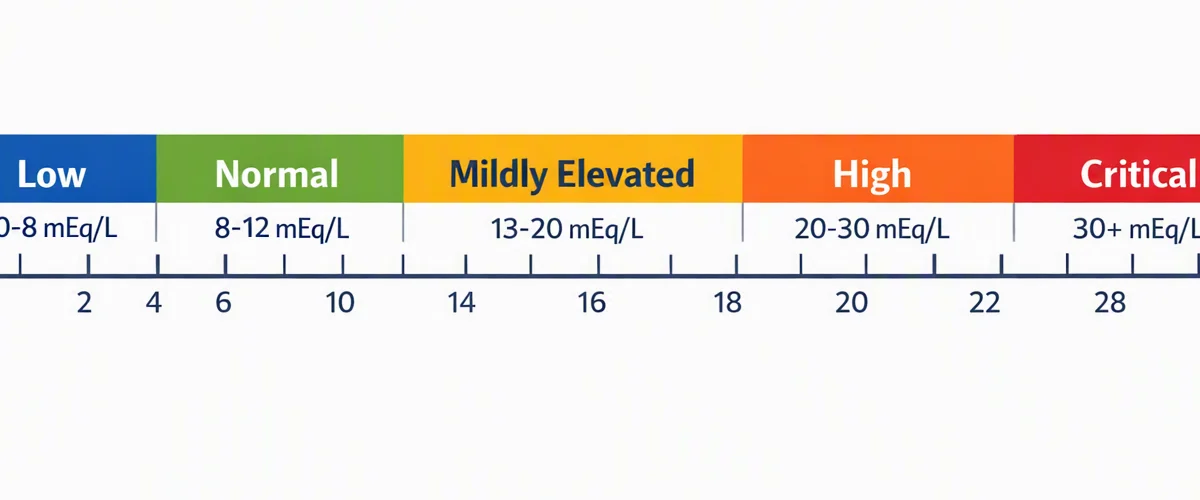
In basic terms, the gap calculates the difference between unmeasured cations and unmeasured anions. A normal reference interval suggests that measured and unmeasured ions are relatively balanced. A low anion gap can signal a lab issue, a change in serum albumin, or the presence of abnormal proteins in the bloodstream. For that https://anion-gap-widget398.theburnward.com/how-lactic-acid-alters-the-anion-gap-computation reason careful lab interpretation matters. The Anion Gap Calculator helps carry out the gap calculation quickly and consistently, making it easier to compare a test result against the expected range.
Although the anion gap is not a standalone diagnosis, it remains an essential screening test in routine chemistry. When it changes, clinicians often look at the broader pattern of the electrolyte panel rather than the number alone. That broader view is especially important when considering whether a result reflects true physiology or a laboratory artifact.
What Is Paraproteinemia?
Paraproteinemia refers to the presence of an abnormal amount of a single type of protein in the blood, usually a monoclonal protein or M-protein. This protein is made by a clone of abnormal plasma cells. Since these cells come from one line of replication, they make one dominant type of immunoglobulins or immunoglobulin fragment rather than the broad mix normally seen in healthy immune function.
Paraproteinemia is a descriptive term, not a diagnosis by itself. It is often seen in monoclonal gammopathy, which includes conditions such as MGUS (monoclonal gammopathy of undetermined significance), multiple myeloma, and Waldenström macroglobulinemia. In these disorders, the abnormal protein may circulate at low or high levels and may act as a plasma protein with unusual electrical properties.
The same monoclonal pattern can appear as a monoclonal spike on testing. The clinical significance depends on the amount of paraprotein burden, the presence of symptoms, and whether there is evidence of organ involvement. A monoclonal protein can be benign, premalignant, or malignant, but any unexpected shift in protein chemistry deserves attention.
How Paraproteins Affect the Anion Gap
Paraproteins can affect the anion gap because of their protein charge. Certain cationic proteins carry a net positive charge at physiologic pH. When these proteins increase, they can raise the amount of unmeasured cations in the blood. The result is often anion gap reduction, because the calculated gap shrinks as the chemistry panel tries to adjust to the ionic balance.
This effect is most notable when the abnormal protein behaves as a strongly charged paraprotein. In some cases, the charge characteristics of the monoclonal protein can push the gap lower even before other abnormalities become obvious. That makes the anion gap a potential diagnostic clue in patients with subtle disease.
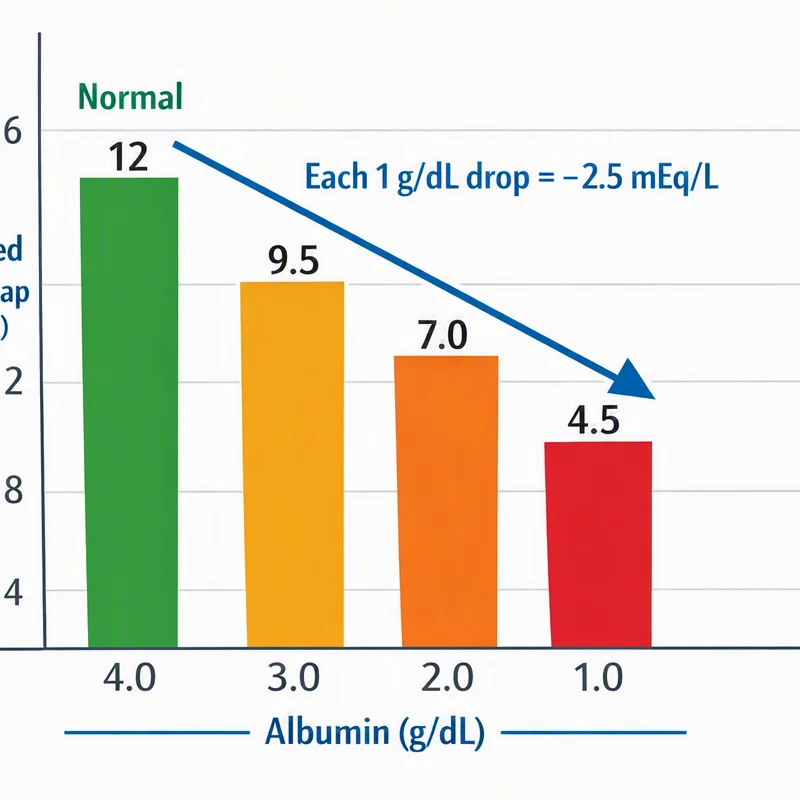
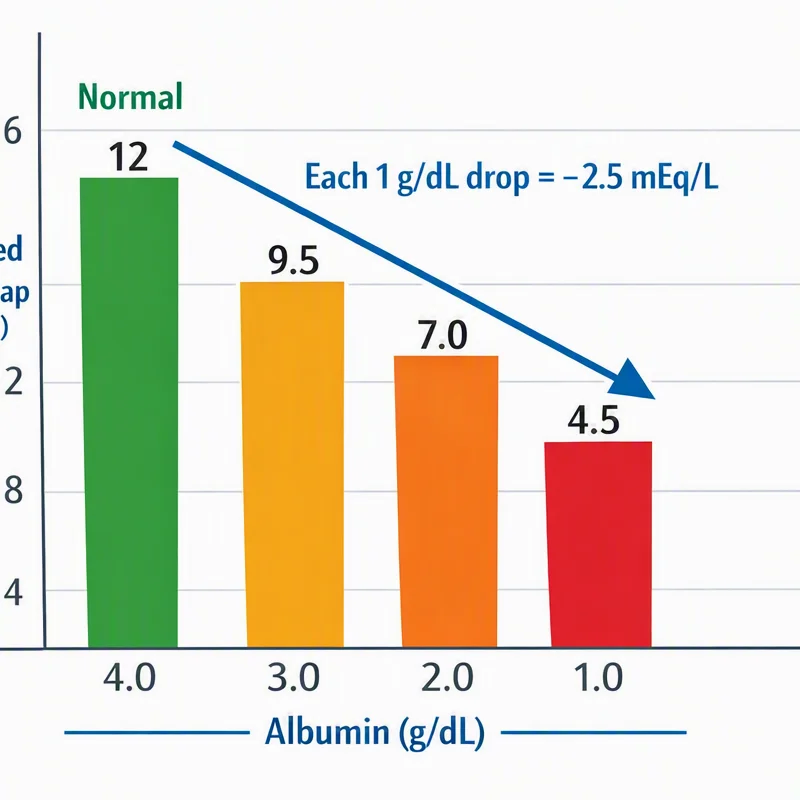
Hypoalbuminemia can amplify the effect. Albumin is one of the main negatively charged proteins in the blood, so lower albumin reduces the anion gap on its own. When low albumin and cationic paraproteins occur together, the measured number can drop even more than expected. This is why the same low value may suggest more than one mechanism.
From a practical standpoint, the issue is not just whether the test result is low, but why it is low. A low value may represent true chemistry changes, a shift in protein balance, or a laboratory artifact. Distinguishing among these possibilities is the key to accurate interpretation.
Reasons Why a Reduced Anion Gap Counts
A low anion gap is less common than an increased one, so it should not be ignored. Often, the first step is to run again the test and consider whether the result fits the patient’s presentation. If the low value persists, it can point toward conditions such as paraproteinemia, electrolyte errors, or medicine-related effects.
One reason it matters is that it may be an early sign of diagnosis to a plasma cell disorder such as multiple myeloma. The finding does not establish the disease, but it can increase concern when combined with anemia, bone pain, kidney dysfunction, or other abnormal labs. In the appropriate setting, the anion gap becomes part of the broader case for follow-up evaluation.
It is also important because a low value may be overlooked as meaningless if the clinician is not thinking about charge effects. Yet a low result can reveal a hidden issue with proteins, especially if the patient has a suspected monoclonal gammopathy. That is why a detailed review of the chemistry profile and protein studies is important.
A low anion gap is not a diagnosis, but it can be a useful clue when viewed alongside protein studies, albumin, and the full electrolyte picture.
How to Read Results with an Anion Gap Calculator
An Anion Gap Calculator helps streamline the analysis of the test result. It takes values from the electrolyte panel to determine the gap and compare it with the expected reference range. This helps make it easier to notice when the result is unusually low and may need further review.
Many calculators also support albumin correction, which is most useful when serum albumin is low. Because albumin decreases the anion gap when it decreases, an uncorrected result can underestimate the true underlying gap. Correcting for albumin helps separate a low value caused by hypoalbuminemia from one caused by cationic paraproteins or another process.
For best interpretation, the calculator should be used with the full chemistry context: sodium, chloride, and bicarbonate, along with serum albumin and the patient’s clinical status. That combination strengthens lab interpretation and helps identify whether the test result reflects a common fluctuation, a laboratory artifact, or a medically significant abnormality.
The calculator is especially helpful when trends matter. A single number may be less informative than repeated values showing persistent anion gap reduction. When the gap remains low across different draws and the albumin correction does not fully explain it, further evaluation becomes more necessary.
Common Origins of a Reduced Anion Gap Besides Paraproteinemia
Paraproteinemia is just one likely cause of a decreased anion gap. Indeed, more typical causes should usually be considered first. One of the most common is hypoalbuminemia, since albumin is a major not directly measured anion. When albumin decreases, the gap can fall with it.
Additional causes include medication or toxin effects. Lithium can lower the gap because it is an undetected cation. Bromide exposure can disrupt with some lab methods and create misleading chloride readings. Hypermagnesemia may also play a role by increasing hidden cations. In each of these cases, the issue is not the same as paraproteinemia, even though the final number may appear similar.
Laboratory artifact must continually remain on the list. A imperfect specimen, analytic interference, or unusual assay behavior can produce a artificially low value. This is why a thorough review of the entire electrolyte panel, repeated testing when appropriate, and comparison with earlier results are key parts of the workup.
Because the low anion gap has multiple causes, context matters. A low value in a person with normal albumin and no medication explanation may be more suspicious for a protein-related disorder than the same value in someone with clear hypoalbuminemia.
When to Suspect Monoclonal Gammopathy
Monoclonal gammopathy should be suspected when a low anion gap remains without any other clear explanation, especially if there are additional signs of protein abnormalities. This is particularly important when the pattern points to a monoclonal protein rather than a nonspecific change in total protein. The presence of a low gap can be a quiet hint that abnormal plasma cells are producing excess immunoglobulins or related fragments.
The standard follow-up evaluation includes serum protein electrophoresis, which can detect a monoclonal spike. Immunofixation helps show the type of protein involved, while free light chains can uncover light-chain disease or quantify clonal activity more precisely. In some cases, beta-2 microglobulin is also useful because it can help assess disease burden and prognosis in plasma cell disorders.
These tests do not substitute for the anion gap; they follow it. The low gap acts as a signal that the chemistry profile may be leading toward a protein abnormality. When the signal is ongoing and reinforced by the rest of the clinical picture, the case for a monoclonal gammopathy becomes more likely.
It is also important to remember that not every paraproteinemia means cancer. MGUS may be unchanged and asymptomatic, while multiple myeloma and Waldenström macroglobulinemia require prompt assessment. The role of the anion gap is to prompt the appropriate next step, not to determine the final diagnosis on its own.
Common Questions
How does paraproteinemia lower the anion gap?
Paraproteinemia can lower the anion gap because certain monoclonal proteins behave like cationic proteins. Their positive charge increases unmeasured cations in the blood, which can cause anion gap reduction. Stated differently, the gap narrows because the measured sodium, chloride, and bicarbonate values no longer reflect the full charge balance. The effect is stronger when the paraprotein has a greater protein charge contribution.
Can a low anion gap be an early clue to multiple myeloma?
Yes, it can be an early diagnostic clue, but it is not specific for multiple myeloma. A low anion gap may show up before other findings become obvious, especially if there is a sizable monoclonal protein. However, it can also occur for other reasons, including hypoalbuminemia and laboratory artifact. For that reason a low value should prompt review of the full clinical picture rather than be treated as a diagnosis by itself.
Does hypoalbuminemia cause a low anion gap more often than paraproteinemia?
Yes, hypoalbuminemia is generally a more typical cause of a low anion gap than paraproteinemia. Albumin is a major unmeasured anion, so when it falls, the gap usually drops as well. Still, paraproteinemia matters because it can create a low gap through a different mechanism, especially when monoclonal gammopathy or multiple myeloma is present. The best interpretation uses both the raw value and albumin correction.
Which tests should come after a low anion gap result?
If the low gap persists, common follow-up tests include a repeat electrolyte panel, serum albumin, and protein studies. The next steps often include serum protein electrophoresis, immunofixation, and free light chains. Depending on the context, clinicians may also check beta-2 microglobulin. These tests help determine whether the low anion gap reflects a paraprotein issue, a medication effect, or another cause.
Can an Anion Gap Calculator account for albumin changes?
Yes, an Anion Gap Calculator can be especially helpful when albumin correction is integrated or used separately. It matters since albumin greatly affects the gap. Accounting for serum albumin improves lab interpretation and helps show whether the low result is explained by hypoalbuminemia or whether it remains suspicious for a monoclonal protein effect. This makes the calculator a helpful tool for precise gap calculation and follow-up evaluation.